
Holding the Line Through the Holidays: Life at the CFF Clinic, November–December 2025

As the year drew to a close, the weeks leading up to Christmas were busy ones at the CFF Clinic. While families prepared for the holidays and travel plans took shape, the clinic continued to see a steady stream of patients seeking care for both urgent and ongoing health needs.
In November and December 2025, the clinic served 120 patients — 20 children and 100 adults. Patient flow remained strong throughout November and into December, before the clinic closed briefly around the Christmas holidays. Even with this planned closure, the consistent number of cases reflects the community’s reliance on the clinic as a trusted source of care.

Patients arrived with a wide range of concerns: respiratory infections, gastrointestinal illness, malaria, wounds, musculoskeletal pain, and chronic conditions requiring follow-up. Women sought care for antenatal visits, family planning, menstrual disorders, and reproductive health infections. Children most commonly presented with coughs, fevers, and stomach illnesses — conditions that require timely evaluation, especially in younger patients.
Not all visits were routine. In one case, a young boy was brought to the clinic at night as an emergency, suffering from severe diarrhea and vomiting. Because the clinic is equipped with solar power, staff were able to provide immediate care despite the late hour — a powerful reminder of how essential reliable infrastructure is in rural healthcare settings.

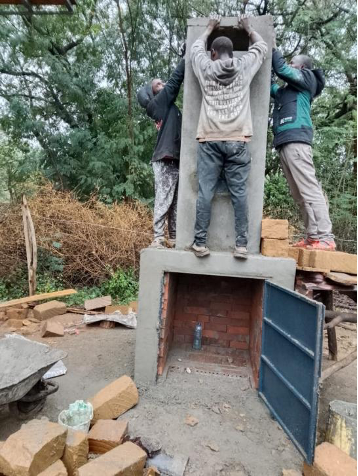
Alongside daily clinical work, the clinic made meaningful strides in strengthening its capacity. A new laboratory technician joined the team during this period, improving diagnostic services and allowing for more accurate and timely treatment decisions. Construction also continued on a labor and delivery room, a much-needed service that will expand access to safe maternal care once fully equipped and operational.
Practical improvements were also made to the clinic grounds. New fencing, gates, and security lighting were installed, helping to protect the facility, improve safety, and prevent livestock from entering the premises — small changes that make a significant difference in daily operations.
The clinic continues to navigate ongoing challenges. Government approval for childhood immunization services is still pending, delaying the launch of care for children under five. Staffing shortages place additional strain on the existing team, increasing workloads and the risk of burnout.
External factors also affect care continuity. Free medical camps in the area can unintentionally disrupt follow-up, as some patients delay routine care while waiting for these events. Medications distributed during such camps may have short expiration dates, complicating long-term treatment plans. However, the clinic remains the bedrock of quality and accessible care. As it grows, mobile health outreach to outlying communities will commence again once our staff team can support the efforts.


When the Clinic Doors Closed, the Work Continued
When the clinic closed briefly for the Christmas holidays, the work did not stop — it simply moved beyond the walls.
On Christmas Eve, the CFF team gathered not around examination tables, but around long benches at Mother Esther Girls Rescue Centre. One hundred girls and staff sat together for a shared meal prepared specially for the day. There was cake, laughter, singing, and moments of quiet conversation — the kind that remind you that care is not always clinical. For girls who have been rescued from early marriage and female genital mutilation, the celebration offered something simple and profound: belonging.
But the days that followed revealed another side of the season.
In early January, the team followed up on two cases identified during the Christmas outreach — reminders that while holidays bring joy, they can also expose vulnerability.

One was Seline, a 15-year-old mother with a seven-month-old baby. When the team visited her, they found that the little stability she had was gone. The man who had abandoned her had returned, taking her belongings and leaving her with nothing but her clothes. Despite this, Seline spoke quietly and calmly, focused on feed
ing her baby and finding work where she could. Immediate support was provided — food, baby supplies, and plans for safer housing. But more than that, a longer path began to take shape: protection, stability, and the hope of returning to school.
Another visit led to Caroline, a 39-year-old woman undergoing treatment for tuberculosis. Once an athlete with a promising future, illness and injury had slowly narrowed her world. TB medication was keeping her alive, but without adequate nutrition and income, recovery remained fragile. The visit centered on encouragement, nourishment, and ensuring she could continue treatment through the long months ahead.

These stories are not separate from the clinic’s work — they are its extension. They are the reason patient care before Christmas mattered so deeply, and why the lights powered by solar energy stayed ready for emergencies. They are why a delivery room is being prepared, why staff continue despite exhaustion, and why community support must last beyond a single season.
Christmas brought celebration. January brought reality. And through both, the mission remains the same: to protect life, restore dignity, and walk with people long after the holidays end.
For more information about the November and December clinic activities, download the report below:


Comments